
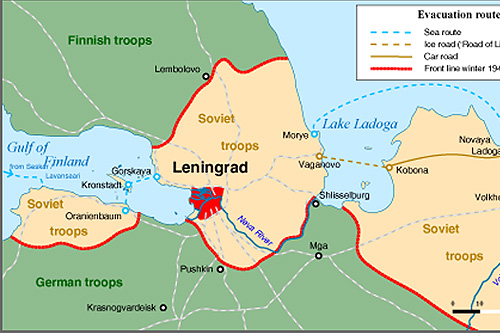
Description
From September 8, 1941, to January 27, 1944, the German siege of Leningrad became the deadliest siege in history, claiming the lives of over 500,000 soldiers and more than a million civilians, primarily due to starvation and disease. Despite relentless bombardment, why did the Germans fail to capture the city? How did the citizens of Leningrad resist so heroically, with some even starving to protect a unique botanical collection? This epic struggle earned Leningrad the title of “Hero City,” leaving a profound mark on Soviet and Russian memory, including shaping Vladimir Putin’s personal narrative.